

News
- ▶ How to prevent coil damage during delivery from a Monel 400 supplier
- ▶ How to compare freight costs from a monel 400 Coil supplier
- ▶ How coil edge quality affects stamping with Monel 400
- ▶ How to confirm temper requirements with a monel 400 Coil supplier
- ▶ When dual sourcing from an Inconel 625 Supplier reduces risk
Message
Nickel Alloys: Types, Properties, Applications & Manufacturer Guide
Nickel alloys stand among the most versatile and crucial engineered materials in modern metallurgy. Renowned for their extraordinary corrosion resistance, high-temperature stability, mechanical strength, and unique thermal expansion properties, these high-performance materials are engineered to perform where standard stainless steels fail. From jet engines operating at extreme temperatures to chemical reactors processing aggressive acids, nickel alloys form the backbone of modern industrial infrastructure.
Understanding Nickel-Based Materials and Their Metallurgy
To select the right material for demanding operating environments, engineering teams must first understand the foundational chemistry and structural taxonomy of nickel systems.
Types Of Nickel Alloys: Complete Guide To Nickel-Based Alloys
Nickel can be alloyed with a wide variety of elements—most notably copper, chromium, iron, molybdenum, and cobalt—to create tailored material families with distinct mechanical and physical properties:
Commercially Pure Nickel (Nickel 200/201): Offers excellent resistance to caustic alkalis and high electrical conductivity.
Nickel-Copper Alloys (Monel Series): Known for superior resistance to seawater, hydrofluoric acid, and marine environments.
Nickel-Chromium Alloys (Inconel Series): Designed for extreme thermal environments and high-temperature oxidation resistance.
Nickel-Iron-Chromium Alloys (Incoloy Series): Provides high-temperature strength combined with resistance to aqueous corrosion.
Nickel-Molybdenum-Chromium Alloys (Hastelloy Series): Highly specialized for extreme resistance to severely oxidizing and reducing chemical media.
Nickel Alloy Grades: Composition, Properties & Applications
Within these broad alloy families, individual standardized grades are optimized for specific operational challenges. For instance, Inconel 625 utilizes niobium and molybdenum solid-solution strengthening to yield exceptional fatigue and thermal-shock resistance, making it ideal for marine hardware and aerospace ducting. In contrast, Hastelloy C-276 relies on heavy tungsten and molybdenum additions to resist localized pitting and crevice corrosion in harsh processing environments. Understanding the key properties and primary applications of specific grades ensures that chosen materials meet exact structural and environmental demands.
Nickel Alloy Chemical Composition And Mechanical Properties
The mechanical capability of any nickel alloy stems directly from its chemical makeup and microstructural phase control. Elements like chromium form protective passive oxide films (Cr2O3), while molybdenum and copper enhance resistance to reducing environments. Mechanically, nickel alloys maintain high tensile and yield strength, excellent ductility, and notch toughness across a temperature range spanning cryogenic levels up to 1000°C(1832°F).
Material Performance Under Extreme Conditions
The primary driver for choosing nickel alloys over conventional metals is their ability to survive severe environmental degradation.
Nickel Alloy Corrosion Resistance: Grades And Applications
Corrosion failure in industrial equipment leads to unscheduled downtime, safety hazards, and massive financial loss. Nickel alloys inherently resist a wide spectrum of corrosive mechanisms:
Nickel Alloy High Temperature Performance And Heat Resistance
Under elevated thermal conditions, conventional steels suffer from rapid oxidation, grain growth, and thermal creep—the gradual deformation of material under continuous stress. Nickel-based superalloys overcome these limits through solid-solution hardening and gamma-prime ($gamma'$) precipitation hardening. These microstructural mechanisms allow components to maintain structural integrity, oxidation resistance, and high creep-rupture strength under extreme thermal conditions.
Manufacturing, Mill Forms, and Fabrication Techniques
Bringing high-performance nickel components from raw melt stock to finished operational assets requires precise manufacturing discipline.
Nickel Alloy Plate, Sheet, Tube, Bar And Wire Guide
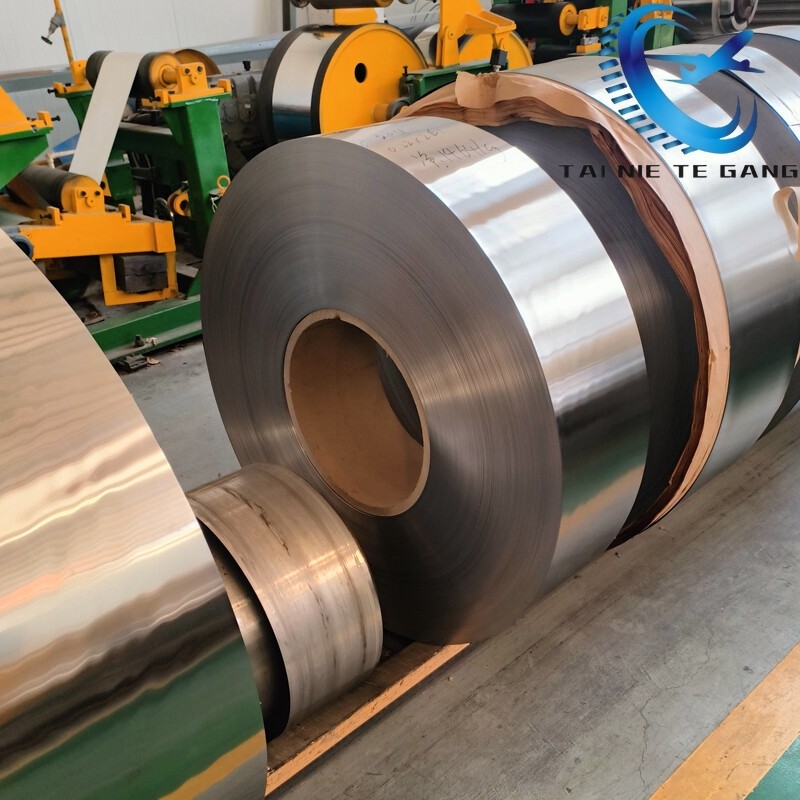
Nickel alloys are produced in a variety of standardized mill forms to suit structural, fluid-handling, and mechanical designs:
Plates & Sheets: Used for fabricating heavy chemical process tanks, pressure vessels, and furnace linings.
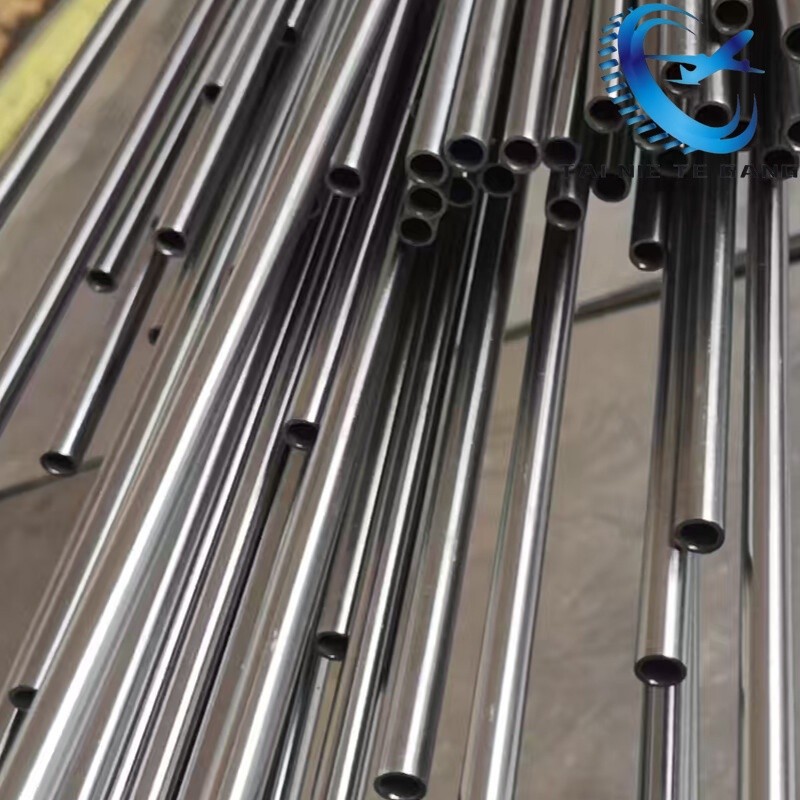
Seamless & Welded Tubes/Pipes: Essential for high-pressure fluid transfer, heat exchangers, and downhole oil applications.
Bars & Rods: Machined into structural fasteners, valve stems, pump shafts, and high-strength fittings.
Precision Wires: Used in high-temperature spring production, mesh filters, and specialized welding consumables.
Nickel Alloy Machining, Welding And Fabrication Guide
Fabricating nickel-based materials presents distinct challenges compared to carbon or standard stainless steels. Due to their high work-hardening rates and elevated thermal strength, machining nickel alloys requires rigid machine setups, sharp carbide tooling, low cutting speeds, and heavy, continuous coolant flow. Welding nickel alloys requires high-purity shielding gases (such as argon or helium) and strict heat-input control to prevent hot cracking in the weld zone.
Industry-Specific Applications
Because of their durability and specialized performance profile, nickel alloys play an indispensable role in several heavy industries.
Nickel Alloys For Chemical Processing Equipment
Chemical synthesis plants handle some of the most aggressive media on earth. Nickel alloys are heavily specified for reactors, evaporators, distillation columns, piping, and scrubbers handling concentrated acids and organic chemicals, protecting process equipment against catastrophic corrosion failure.
Nickel Alloys For Oil And Gas Applications
In deepwater offshore drilling and sour gas wells, equipment is subjected to high pressures, high temperatures (HPHT), and corrosive atmospheres rich in hydrogen sulfide (H2S), carbon dioxide (CO2), and chlorides. Nickel alloy tubulars, wellheads, valves, and subsea manifolds provide the required corrosion fatigue strength and resistance to sulfide stress cracking.
Nickel Alloys For Aerospace And Power Generation
Aerospace propulsion and power generation rely heavily on nickel superalloys. Modern jet engine turbine blades, combustion chambers, rocket engine nozzles, land-based power gas turbines, and nuclear steam generators depend on nickel-based alloys to withstand extreme centrifugal forces, hot gas path corrosion, and severe thermal cycles.
Material Selection, Standards, and Procurement Strategy
Navigating the procurement process for high-performance nickel alloys requires balancing technical specifications against supply chain economics.
Nickel Alloys Vs Stainless Steel: Key Differences And Applications
When evaluating materials, engineering teams often compare nickel alloys directly to stainless steels:
Temperature Range: Standard stainless steels degrade rapidly above 500-600°C, whereas nickel superalloys maintain mechanical strength well above 1000°C.
Corrosion Resistance: Stainless steels remain susceptible to chloride stress corrosion cracking, whereas high-nickel matrices are virtually immune to SCC.
Cost Structure: Stainless steels offer lower initial material costs, but nickel alloys provide a much lower Total Cost of Ownership (TCO) in severe operating environments due to extended service life and reduced maintenance downtime.
How To Choose The Right Nickel Alloy For Your Application
Selecting the optimal alloy requires a structured evaluation of four core parameters:
Chemical Environment: Identify acid concentrations, fluid velocity, presence of halides, and oxygen levels.
Operating Temperature: Define maximum continuous temperatures, thermal cycling frequency, and allowable creep limits.
Mechanical Stress: Determine yield strength requirements, fatigue limits, and pressure ratings.
Fabrication Constraints: Assess required product forms, machining complexity, and field-welding feasibility.
Nickel Alloy Standards: ASTM, ASME, EN, DIN And JIS
Global engineering projects require strict compliance with international material standards. Specifications like ASTM (e.g., ASTM B166 for Inconel bars), ASME (Boiler and Pressure Vessel Code Section II), EN, DIN, and JIS define chemical composition limits, mechanical testing procedures, non-destructive testing (NDT) requirements, and dimensional tolerances. Ensuring material certifications match relevant design standards is critical for safety and compliance.
Nickel Alloy Price: What Affects The Cost?
Nickel alloy pricing reflects both raw material market dynamics and complex manufacturing processes:
Raw Material Volatility: Prices fluctuate based on global commodity market pricing for key alloying elements, including nickel, molybdenum, cobalt, and chromium.
Melting & Processing Complexity: Advanced double-vacuum melting techniques, such as Vacuum Induction Melting (VIM) followed by Vacuum Arc Remelting (VAR), increase processing costs but yield ultra-clean, high-integrity alloys.
Yield Loss: Specialty alloys require stringent quality checks and cropping during hot working, resulting in lower mill recovery yields compared to commercial carbon steels.
Nickel Alloy Manufacturer Vs Supplier: How To Choose A Reliable Source
Selecting the right supply chain partner is as important as choosing the alloy itself. Purchasing directly from a primary mill manufacturer offers competitive pricing and mill-direct traceability for large-scale, long-lead project orders. Conversely, sourcing from a specialized stocking supplier/distributor provides shorter lead times, cut-to-length processing services, and smaller order quantities for immediate maintenance and repair needs. Evaluating prospective sources on quality management certifications (such as ISO 9001 and AS9100), testing capabilities, and Mill Test Report (MTR) integrity ensures material quality and supply chain transparency.
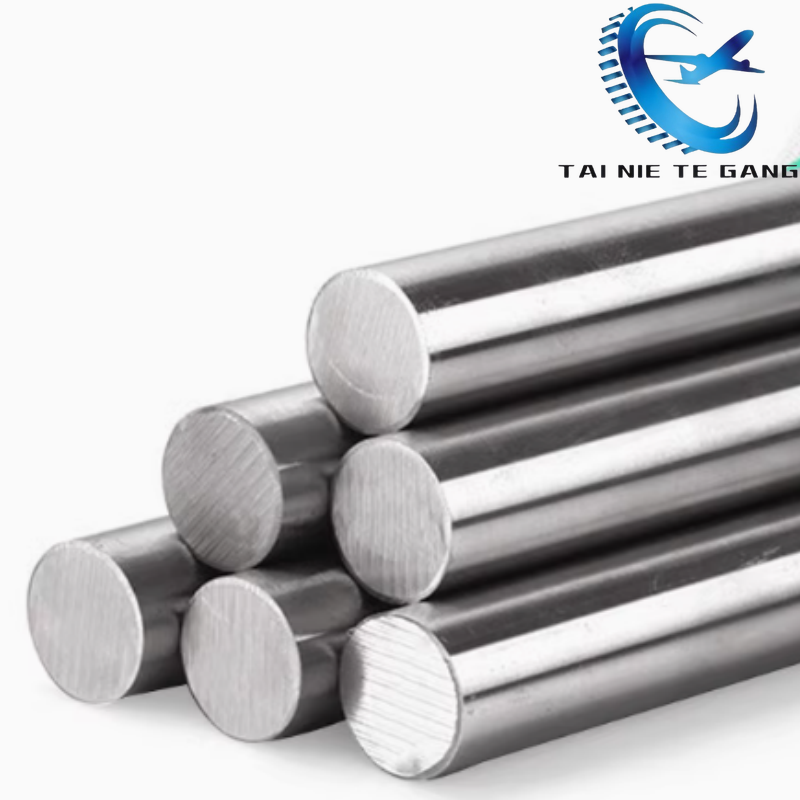
 Monel Alloy RodMonel alloy is an alloy composed mainly of nickel and copper, usually containing small amounts of iron, manganese, silicon, carbon and other elements. It has excellent corrosion resistance and strong mechanical properties, and is widely used in Marine engineering, chemical equipment, aerospace and other fields.
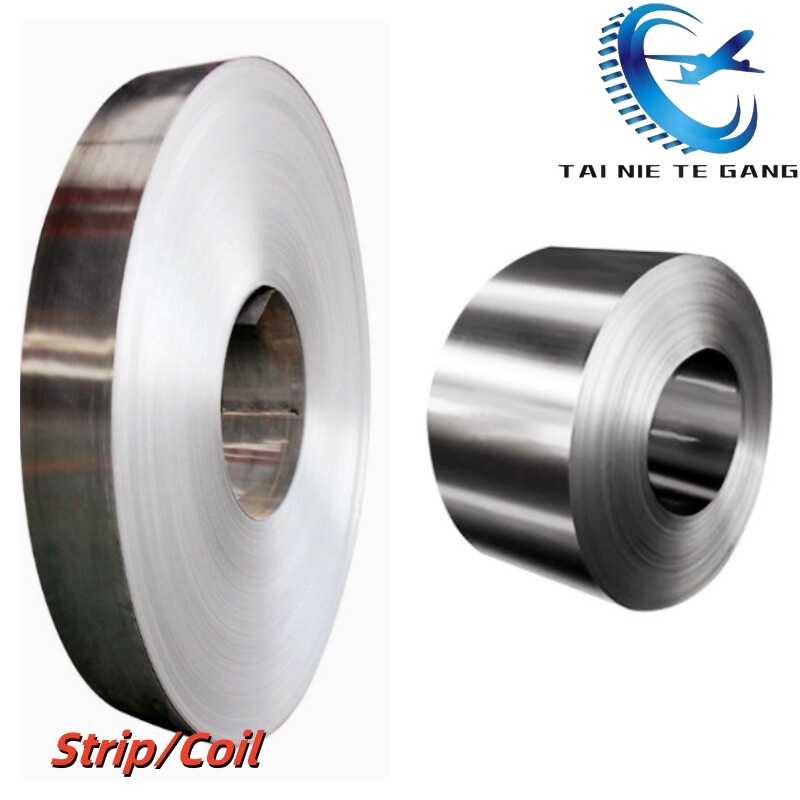
 Precision Alloy Steel StripsPrecision Alloy Steel Strips are specialized materials engineered for applications requiring precise mechanical, thermal, and electrical properties. These alloys are ideal for use in industries such as electronics, aerospace, automotive, and medical devices, where high dimensional accuracy, low expansion, or specialized magnetic properties are required. Whether in thin strips for flexible components or thick sheets for structural parts, these alloys offer a high degree of stability and performance under demanding conditions.
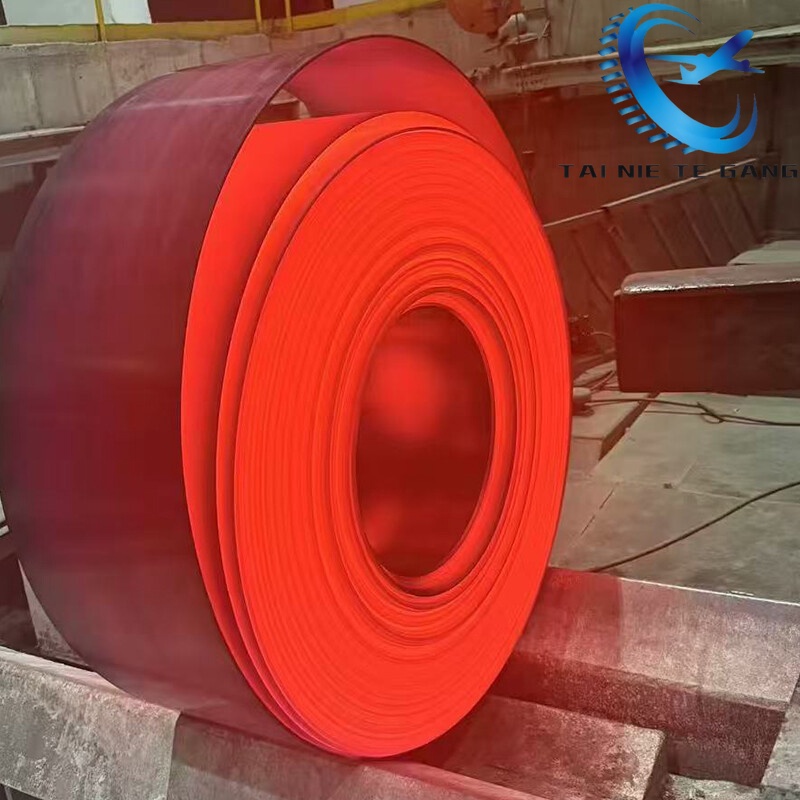
 Hastelloy Alloy StripsHastelloy Alloy Strips: Thin, flexible, and ideal for precise components requiring excellent corrosion and heat resistance in industries such as chemical processing, aerospace, and power generation.