


News
- ▶ How to prevent coil damage during delivery from a Monel 400 supplier
- ▶ How to compare freight costs from a monel 400 Coil supplier
- ▶ How coil edge quality affects stamping with Monel 400
- ▶ How to confirm temper requirements with a monel 400 Coil supplier
- ▶ When dual sourcing from an Inconel 625 Supplier reduces risk
Message
Best Nickel Base Alloy Rod Options for Chemical Processing
Best Nickel Base Alloy Rod Options for Chemical Processing
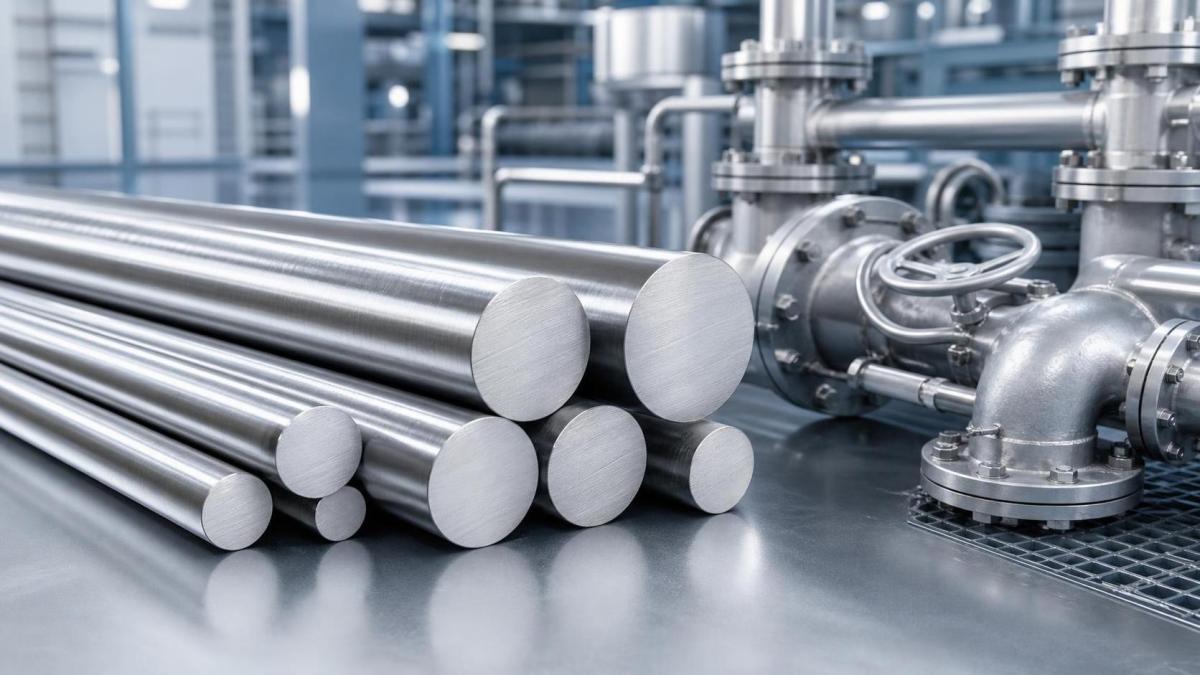
Selecting the best Nickel base alloy rod for chemical processing projects is rarely a catalog decision. In practice, project managers usually get pulled in when something is already difficult: mixed acids, chloride exposure, hot wet gas, shutdown costs, fabrication delays, or a vendor offering a “close enough” substitute. That is where material selection stops being theoretical. The right rod can extend service life, simplify maintenance planning, and prevent ugly surprises during commissioning. The wrong one may still pass purchase review and then fail in service for reasons that were visible much earlier.
When you are evaluating a Nickel base alloy rod for chemical processing, treat it as a project control item, not just a material line. Below is the checklist experienced teams usually work through before they lock the spec.
Start with the real process, not the design shorthand
“Corrosive service” is too vague to choose anything confidently. You need the actual media, concentration range, normal temperature, upset temperature, pressure, oxygen content if relevant, solids content, and whether cleaning chemicals or steam cycles are involved. Many rod selections go wrong because the base process looked acceptable, but the cleaning phase or idle wet condition was more aggressive than the operating condition.
- Check if chlorides are present, even in trace process water.
- Confirm whether reducing acids or oxidizing acids dominate. The alloy response can be very different.
- Ask operations about excursions, startup chemistry, and washdown practice.
- Do not rely on one-word notes such as “acidic” or “high temp.”
If those inputs are incomplete, any alloy recommendation should stay provisional. That is not caution for its own sake; it is normal engineering discipline.
Match the alloy family to the failure mode you are trying to avoid
Project teams sometimes compare nickel alloys by brand familiarity instead of damage mechanism. A better question is: what are you paying to prevent?
For broad chemical processing duty, alloy rods in the Inconel, Incoloy, Hastelloy, or Monel families may all come up, but they are not interchangeable. Some are selected for general corrosion resistance, some for chloride environments, some for strength retention at elevated temperature, and some for reducing media. A rod that performs well in heat does not automatically handle a specific acid mix. Keep the service mechanism in front of the conversation.
Do not separate rod selection from fabrication planning
This is where project schedules usually get hit. A Nickel base alloy rod may be technically suitable, but if your shop or field contractor lacks experience with cutting, welding, heat input control, or post-fabrication cleaning, the material advantage can be compromised. Chemical processing equipment does not forgive contaminated surfaces, poor weld quality, or uncontrolled dissimilar metal joints.
Before approval, verify the welding consumables, procedure qualification status, and the expected surface finish after fabrication. If the rod will be used alongside plates, sheets, nozzles, or forgings, make sure the whole assembly logic is consistent. In some projects, related components such as Nickel-based Alloy Steel Sheets are evaluated in parallel because the corrosion path often crosses sections, not individual parts. That comparison is useful when the equipment includes both rod-based supports and sheet-based chemical processing equipment walls or covers.
Prioritize service temperature in a practical way
Temperature data in chemical plants is often presented as one operating number, but that is rarely enough. Look at continuous temperature, upset peaks, thermal cycling frequency, and whether the component sees hot spots. Those details matter because some nickel alloys retain strength and corrosion performance better across fluctuating thermal conditions.
For example, materials associated with grades such as Inconel 625 or Inconel 718 are frequently discussed where strength and high-temperature stability matter, but suitability still depends on the exact chemical environment and fabrication route. If a supplier points to a grade’s aerospace or turbine use, that is not enough evidence by itself for your chemical process duty. The environment decides.
Check availability, form, and lead time early
A strong material choice that arrives twelve weeks late is still a project problem. Nickel alloys can have long procurement windows depending on grade, diameter, certification package, and whether special melting routes are required. Ask for mill form availability up front: straight rod, bar, custom diameter, heat treatment condition, and documentation level.
This is also where experienced suppliers add value. Companies working across nickel-based, iron-based, titanium, zirconium, copper nickel, and heat-resistant alloy systems can often flag substitution risks or compatibility issues earlier because they see the whole materials map, not just one product family. That matters when your project may need adjacent materials in the same corrosion envelope.
Do not sign off without documentation discipline
At minimum, ask what standards, material certificates, and inspection records will be provided. If the service is critical, confirm the exact grade designation, chemistry limits, heat number traceability, and testing scope before purchase order release. Avoid accepting a sales-level statement that one alloy is “equivalent” unless the equivalence is supported by the project specification and verified technical review.
If local regulatory or owner requirements apply, keep those in the approval chain. Where standards or acceptance criteria are unclear from the available project data, mark them as 【待核实】 rather than letting assumptions become procurement facts.
A short field-tested selection check before you issue the PO
- The process media list includes operating, cleaning, and upset conditions.
- The selected Nickel base alloy rod is tied to a known corrosion or temperature risk, not general preference.
- Fabrication capability has been checked with the actual contractor.
- Adjacent materials and weld interfaces have been reviewed.
- Lead time, heat traceability, and certificate requirements are written into the order.
- Any unresolved service condition is still flagged, not silently assumed away.
If you are managing a chemical processing project, the best Nickel base alloy rod option is usually the one that survives your real process, fits your fabrication route, and arrives with documentation solid enough to defend the choice later. That sounds obvious, but it is exactly where many expensive mistakes start. Keep the review practical, keep the assumptions visible, and the material decision gets much easier to trust.
