

News
- ▶ How to prevent coil damage during delivery from a Monel 400 supplier
- ▶ How to compare freight costs from a monel 400 Coil supplier
- ▶ How coil edge quality affects stamping with Monel 400
- ▶ How to confirm temper requirements with a monel 400 Coil supplier
- ▶ When dual sourcing from an Inconel 625 Supplier reduces risk
Message
Monel Alloy Steel Plate Supply Trends in Offshore Projects
Monel Alloy Steel Plate Supply Trends in Offshore Projects
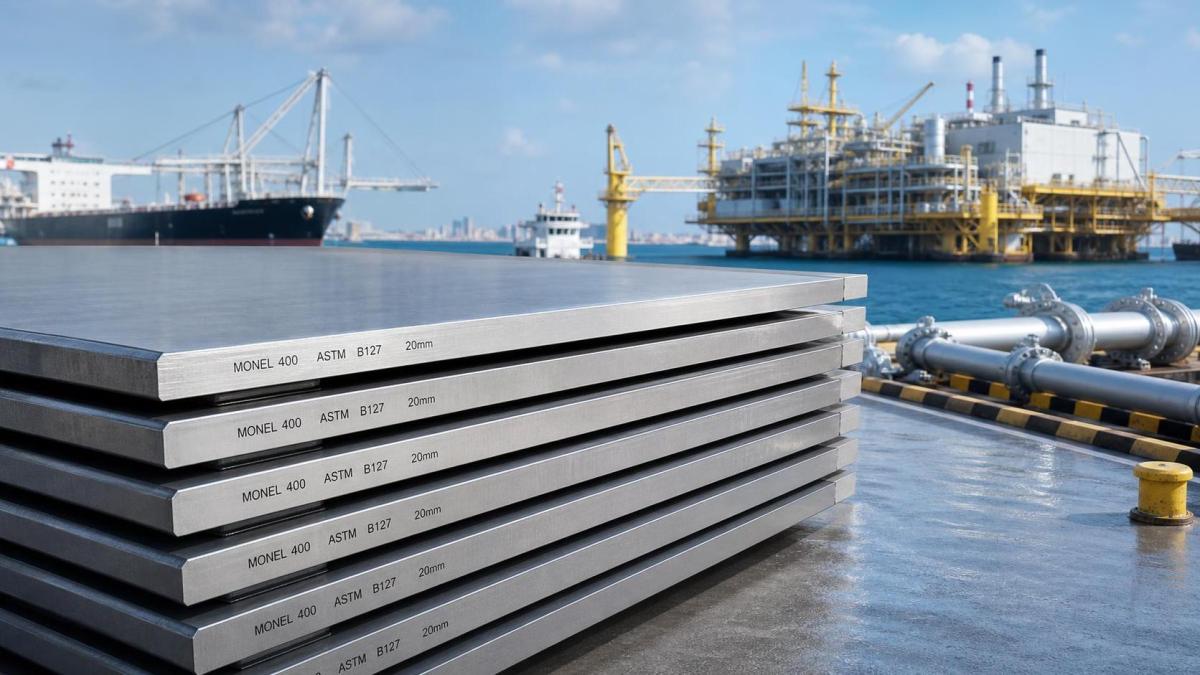
As offshore projects move into deeper, harsher environments, the demand for Monel Alloy Steel Plate is rising with new expectations for corrosion resistance, supply stability, and lifecycle value. For enterprise decision-makers, understanding current supply trends is essential to securing reliable materials, controlling project risk, and choosing alloy solutions that support long-term performance in marine applications.
The most notable shift is not simply that offshore demand is growing. It is that buyers are becoming less willing to treat alloy plate as a late-stage procurement item. In upstream platforms, subsea systems, desalination-linked marine infrastructure, and offshore process modules, material selection is moving closer to front-end engineering because exposure conditions are less forgiving and replacement windows are more expensive. In that environment, Monel Alloy Steel Plate is increasingly evaluated through total service life rather than initial tonnage cost.
That change has practical consequences for supply. Procurement teams are asking more detailed questions about melt route consistency, plate thickness availability, traceability, and delivery confidence under compressed project schedules. The conversation is broader than corrosion resistance alone. Offshore owners want assurance that the selected alloy can arrive in a form that matches fabrication plans, welding procedures, and inspection requirements without creating hidden delays between mill, stockist, fabricator, and site.
Why supply pressure feels different now
Part of the pressure comes from project geography. Offshore development has continued to extend into areas where chloride exposure, high flow conditions, and long maintenance intervals push operators toward materials with proven resistance to seawater-related corrosion. In some applications, engineers still compare Monel against copper-nickel, duplex stainless, or nickel-based alternatives depending on temperature, media composition, and mechanical requirements. But the decision window has narrowed. Buyers who wait too long may find that technically acceptable substitutes are available, yet qualification work, fabrication adjustments, or lifecycle tradeoffs become harder to justify.
Another factor is the broader nickel alloy supply chain. Even when offshore demand for one grade is manageable, production capacity is shared across multiple alloy families serving energy, chemical processing, aerospace, and repair markets. Mills do not operate in isolation by project category. When booking pressure rises in adjacent sectors, lead times for special alloy plate can become less predictable. This does not always mean shortage in an absolute sense; it often means reduced flexibility on dimensions, rolling schedules, or small-lot customization.
We have seen purchasing behavior move in response. Instead of ordering only against final drawings, some buyers reserve capacity earlier or seek dual-source strategies where specification allows. That is a meaningful market signal. It suggests concern is shifting from price volatility alone to execution risk across the full delivery chain.
Specification discipline is becoming a supply advantage
One underappreciated trend is that better technical definition now improves supply access. Offshore procurement teams that clarify required alloy grade, product form, thickness tolerance, test expectations, and end-use environment earlier tend to avoid the slowest part of the cycle: repeated technical clarification after production planning has already started. For Monel Alloy Steel Plate, that matters because many delivery problems begin with vague equivalency assumptions. Two suppliers may both quote a nickel-copper alloy solution, yet actual deliverability can differ once plate size, certification package, or downstream forming requirements are examined.
This is where experienced alloy producers have an advantage. Shandong Titanium Nickel Special Steel Co., Ltd. works across a broad portfolio of nickel based, iron-based, corrosion-resistant, high-temperature, and precision alloys, which changes the quality of the supply discussion. A manufacturer serving Monel, Hastelloy, INCONEL, INCOLOY, copper nickel, titanium, zirconium, and other specialty materials is usually better positioned to compare options at the engineering stage, not just quote whichever grade is already familiar. In offshore projects, that matters because material decisions are rarely isolated from welding, fabrication sequence, or service-life assumptions.
There is also a secondary trend worth watching: more owners are asking suppliers to support not only plate procurement but adjacent material strategies for high-temperature or repair-critical environments elsewhere in the asset. That is one reason specialized offerings such as Refractory Metal Powders for Ultra-High Temperature Service are appearing more often in technical discussions. They are not substitutes for Monel plate in marine corrosion service, but they reflect a broader sourcing preference for partners that can cover both corrosion-resistant alloys and extreme-temperature material needs under one technical umbrella.
Cost is still important, but it is being judged differently
Enterprise buyers are under pressure to control capex, yet offshore material decisions have become less tolerant of false economies. A lower-cost plate option may still lose out if it creates uncertainty around corrosion allowance, inspection frequency, or replacement timing. That is especially true in remote offshore assets where shutdown access is limited and intervention costs quickly exceed the initial material premium. The market has not abandoned price sensitivity. It has simply become more selective about what price means.
This is likely to keep favoring suppliers that can document consistency rather than chase transactional volume. In practice, consistency means reliable chemistry control, stable mechanical properties within ordered form, and paperwork that aligns with project review requirements. Decision-makers should watch for a simple but telling signal: whether a supplier can discuss application boundaries and alternative grades with the same confidence as delivery timing. If the conversation is only about nominal availability, risk may be sitting just below the quotation.
What to monitor over the next planning cycle
The next phase of the market will probably be shaped less by dramatic shortages and more by uneven availability. Standard dimensions may remain accessible while non-standard plate sizes, urgent schedules, or multi-spec packages face longer coordination times. Buyers should also keep an eye on how offshore decarbonization projects evolve. As platforms integrate new processing equipment, seawater systems, and hybrid energy infrastructure, alloy demand may diversify rather than expand evenly. That can redirect mill attention toward mixed-order books and make forecasting harder for single-project buyers.
Three signals deserve close attention:
The firms that navigate this market well are usually the ones that connect materials engineering with sourcing strategy early. For Monel Alloy Steel Plate in offshore service, that means defining the real exposure conditions, validating whether Monel is the right answer against nearby alternatives, and selecting suppliers with enough alloy breadth to support the project if requirements shift. The same logic applies when adjacent asset packages call for materials such as Refractory Metal Powders for Ultra-High Temperature Service for extreme-temperature applications elsewhere in the industrial chain.
The market is not signaling panic. It is signaling that offshore alloy procurement is becoming less forgiving of weak specifications, narrow sourcing, and delayed decisions. That is a different kind of challenge, and for decision-makers, probably the more important one.
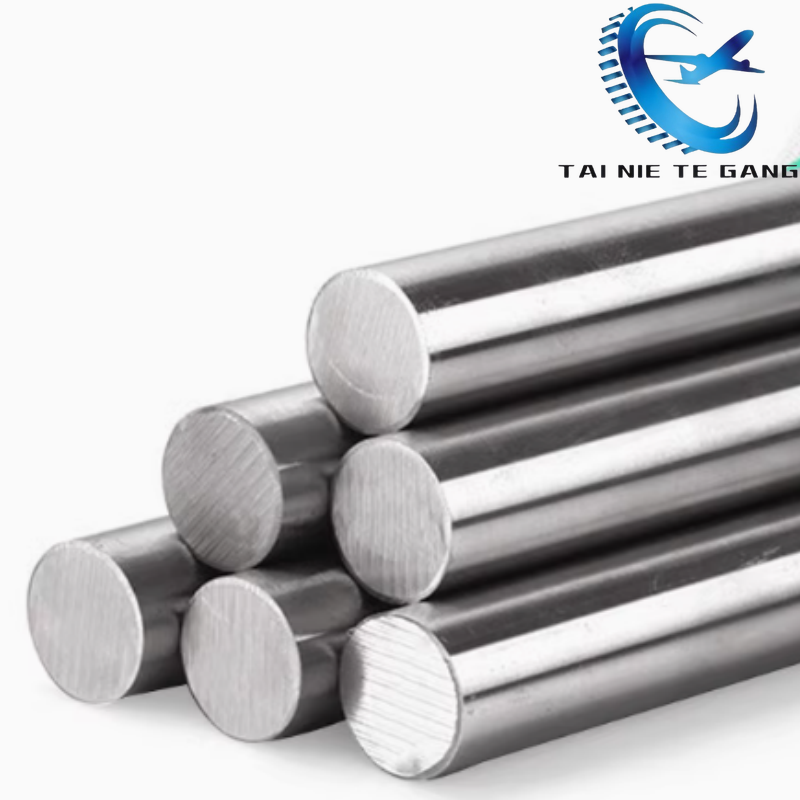
 Monel Alloy RodMonel alloy is an alloy composed mainly of nickel and copper, usually containing small amounts of iron, manganese, silicon, carbon and other elements. It has excellent corrosion resistance and strong mechanical properties, and is widely used in Marine engineering, chemical equipment, aerospace and other fields.
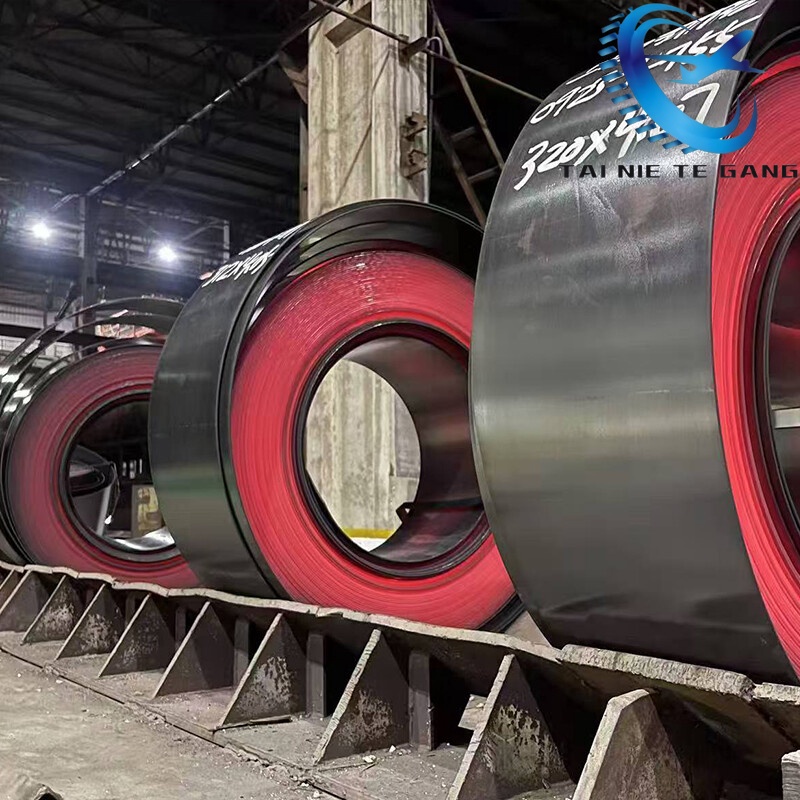
 Monel Alloy Steel StripsMonel alloy steel strip are Monel alloy (such as Monel 400, Monel K-500, etc.) through cold rolling, hot rolling and other processing processes made of strip and plate materials. These alloys have unique physical and chemical properties and are commonly used in the manufacture of structural components and equipment requiring high corrosion resistance, high temperature resistance, and high strength. Monel alloy steel strip and steel plate with its excellent corrosion resistance, high temperature resistance, good mechanical properties and welding properties, widely used in Marine, chemical, petroleum, aerospace and other high-end industrial fields. They are suitable for a variety of harsh working environments, and can effectively cope with high temperatures, strong acids, chlorides and other corrosion
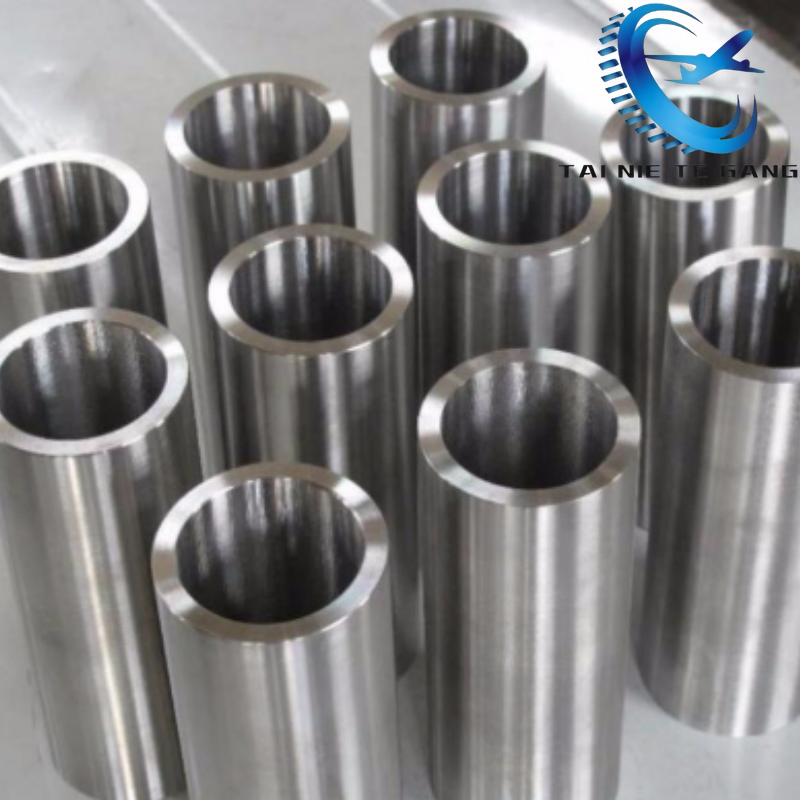
 Nickel-based Alloy TubesNickel-based alloy tubes are crucial in industries where durability, heat resistance, and corrosion resistance are essential. They are commonly used in high-performance applications such as the aerospace, chemical, and power generation industries, where standard materials might not withstand the challenging conditions.